
Industry news
2026 EU Plastic Restrictions & What You Need to Know
As a traditional manufacturer of Polyethylene (PE) bags and certified compostable bags based in China, we are closely monitoring the shifting regulatory landscape in Europe. The year 2026 is not just another year on the calendar; it represents a pivotal moment for the global packaging industry. With the EU’s Packaging and Packaging Waste Regulation (PPWR) 2025/40 now in full force, the rules for placing flexible packaging on the European market have fundamentally changed .
If you are a buyer searching for eco-friendly packaging, biodegradable bags, or recyclable mailers, understanding these changes is crucial for your supply chain compliance. Here is what you need to know about the 2026 restrictions and how our factory can serve as your compliant partner.
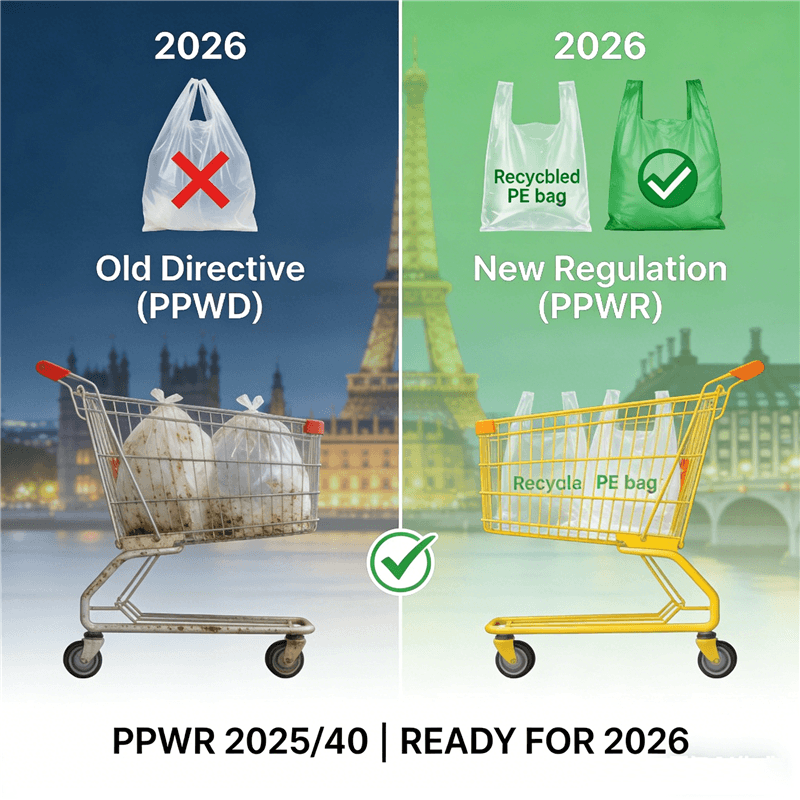
1. The Shift from Directive to Regulation: PPWR
The most significant change is the transition from the old Packaging and Waste Directive (PPWD) to the new PPWR, which has been applicable since August 12, 2026 . This new regulation has direct binding legal force across all EU member states, meaning harmonized rules for importers, distributors, and manufacturers .
For our B2B clients, this means that the compostable and recyclable status of your packaging is no longer just a marketing advantage—it is a compliance necessity.
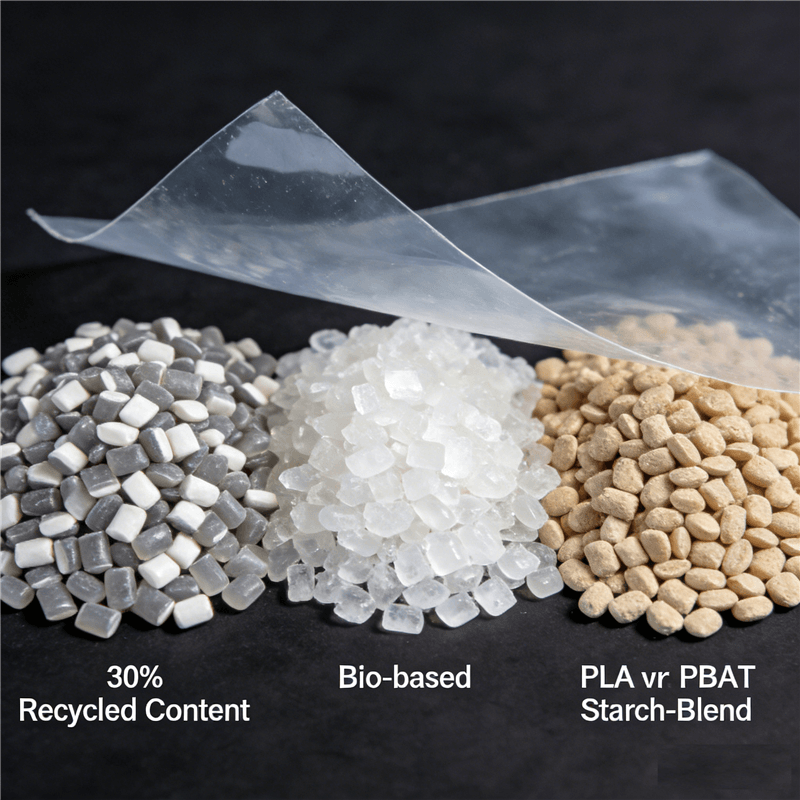
2. Recycled Content Targets: A Game Changer for Plastics
Under the PPWR, plastic packaging is now subject to mandatory recycled content targets. For example, contact-sensitive packaging made from PET must contain 30% recycled material from 2030 onwards, with other plastic packaging requiring 35% recycled content by 2030 .
For Traditional PE: We are developing solutions that incorporate post-consumer recycled (PCR) materials to help you meet these ambitious targets.
For Sustainable Sourcing: Our supply chain is adapting to provide r-PE (recycled Polyethylene) options that align with the EU’s circular economy goals.
3. The Rise of Certified Compostable & Bio-based Solutions
While PPWR prioritizes recyclability, there is a clear and growing role for compostable packaging, particularly for specific applications like fruit and vegetable bags or barrier films for fresh produce .
Market Demand: The European bioplastics market is booming, with a projected CAGR of nearly 18% through 2030 . Buyers are actively searching for bio-based, PLA, PBAT, and starch-based blends that offer functionality without fossil fuels.
Food Safety: We ensure our food-grade materials comply with strict migration limits and safety standards required for direct contact with food.
4. Bans on Harmful Substances
Effective August 2026, the EU has tightened restrictions on heavy metals (lead, cadmium, mercury) and introduced strict limits on PFAS in food-contact packaging . This is a critical checkpoint. Our manufacturing process prioritizes safe packaging free from these hazardous chemicals, ensuring your products remain compliant at customs.
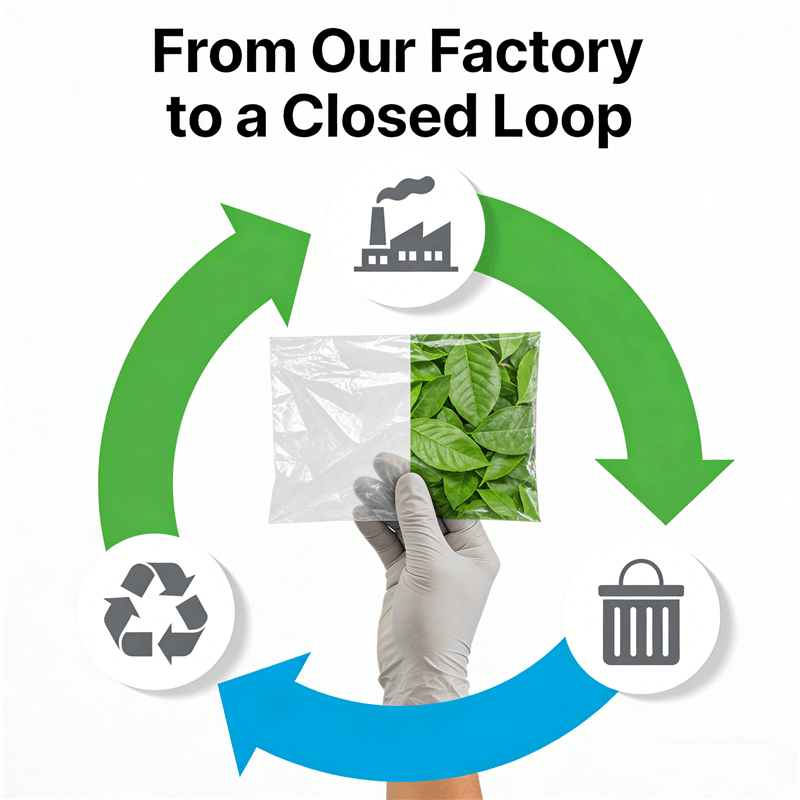
5. What This Means for Your Supply Chain
As a direct factory, we are not just a supplier of plastic bags; we are a partner in regulatory navigation. Whether you are looking for:
Lightweight courier bags with minimum thickness to comply with waste reduction mandates .
Home compostable carrier bags for the retail sector.
High-performance industrial compostable films for organic waste collection.
We understand the pressure to reduce carbon footprint while maintaining durability. Our R&D team is dedicated to design for recycling, ensuring our products contribute to a true closed-loop system.
Conclusion
The 2026 EU Plastic Restrictions are complex, but they don't have to be a barrier. By partnering with a knowledgeable manufacturer, you can turn compliance into a competitive edge.
Contact us today to discuss how our range of recyclable PE and certified compostable bags can meet your specific product requirements and ensure your seamless access to the European market. Let's build a sustainable future together.


 Send Email
 Derrick
 WhatsApp